The History of Playa Flamenca : From Quiet Coast to Vibrant Community
Nestled on the southern edge of the Orihuela Costa, Playa Flamenca is a thriving seaside community known for its sandy beaches, lively markets, and relaxed Mediterranean lifestyle. But it wasn’t always like this.
From Scrubland to Seaside Urbanisation
Before the 1970s, Playa Flamenca was little more than a natural stretch of rocky coastline and scrubland, part of agricultural land with gentle hills and native vegetation. There were no promenades, cafés, or residential districts. Just peaceful Mediterranean shore and rural surroundings.
The Flemish Transformation
Everything began to change in 1972 when a group of Flemish (Belgian) investors saw the potential of this quiet coastline. They purchased the land, developed it, and began transforming it into a modern coastal urbanisation. This development marked the birth of Playa Flamenca as a destination, both as a place to live and a holiday spot.
The name “Playa Flamenca” itself reflects this origin — drawing from Flanders, the Dutch-speaking northern region of Belgium, where these early developers came from. In the early stages, the area consisted mainly of plots for hotels, apartments, and homes that catered to seasonal visitors.
Growth Through the Decades
During the 1980s and 1990s, Playa Flamenca continued to grow. More homes, commercial centres, and community services were built, gradually expanding inland from the beachfront. The interior areas developed steadily as demand rose from both Spanish and international buyers.
By the 2000s, Playa Flamenca had become a well-established residential and holiday area. Its proximity to major transport routes like the N-332 road and the AP-7 motorway made it easy for visitors arriving by air or road to reach the beaches and shops.
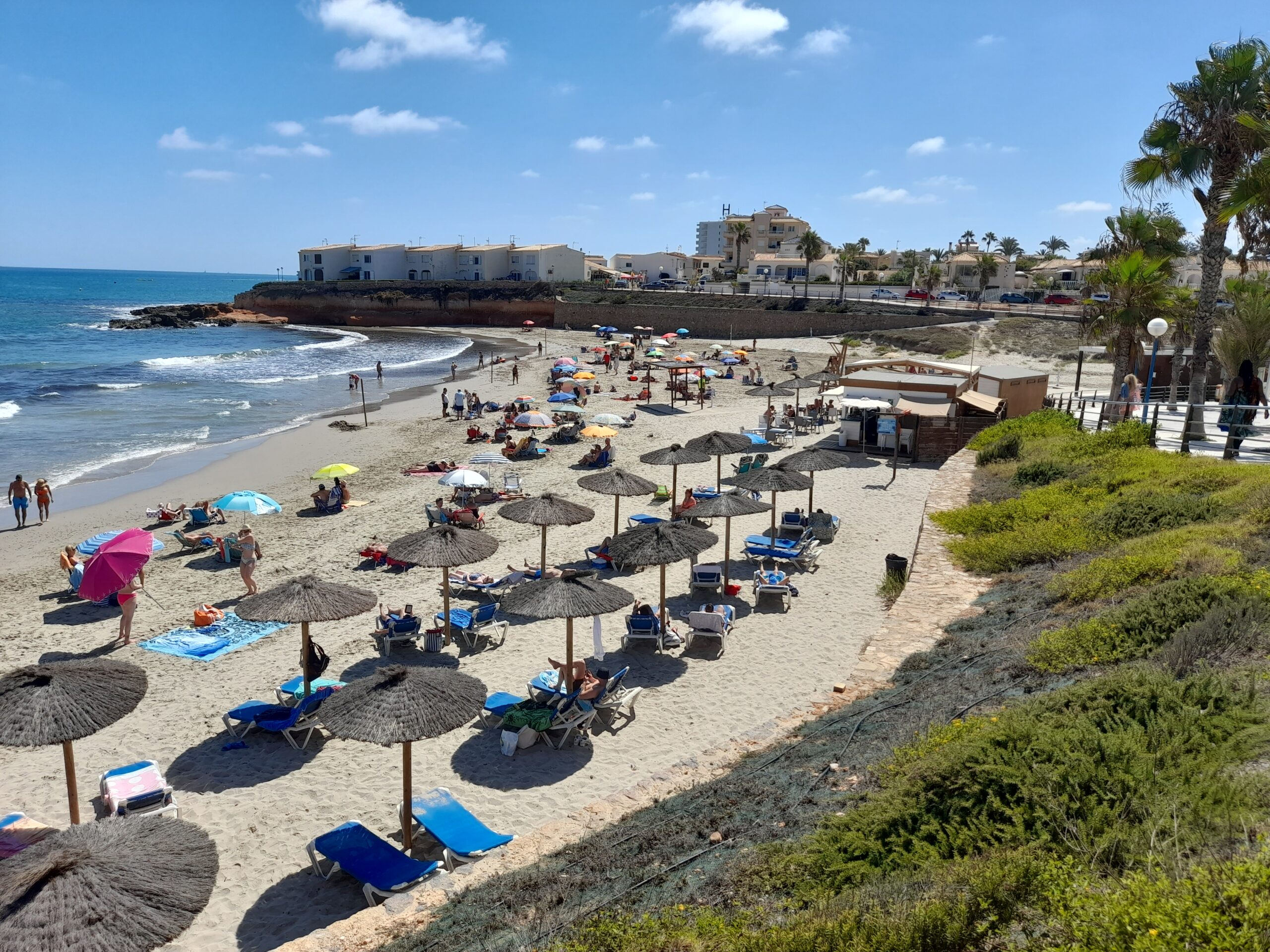
Today, Playa Flamenca’s coastline includes two beautiful beaches, Cala Mosca and Cala Estaca, recognised for their cleanliness, safety, and well maintained facilities. These sandy coves attract sunbathers, swimmers, families and watersports enthusiasts alike.
Behind the beaches, lively commercial centres like Flamenca Beach Centro Comercial and La Zenia Boulevard offer bars, cafés, restaurants and shops making the area a full time community and not just a seasonal resort.
A Home for Many
Over the years, Playa Flamenca has become a multicultural hub. Residents now include Spanish locals alongside British, Belgian, German and Scandinavian homeowners, many of whom enjoy the Mediterranean sunshine all year round or make Playa Flamenca their holiday home.
From its humble beginnings as untouched coastline to the vibrant urbanisation it is today, Playa Flamenca’s history is a reflection of visionary development, strategic location, and the draw of the Mediterranean lifestyle.